Wilderness Guide: A Comprehensive Overview
Navigating the untamed landscapes requires preparation, knowledge, and resilience; this guide details essential skills for survival, from shelter building to emergency communication, ensuring preparedness․
Venturing into the wilderness demands respect and readiness․ This guide provides foundational knowledge for navigating unforeseen challenges, emphasizing proactive preparation over reactive measures․ Understanding core survival principles – shelter, fire, water, food, and signaling – is paramount․ From basic first aid to navigating with a map and compass, mastering these skills builds confidence․ Remember, a positive mindset and psychological fortitude are as crucial as practical expertise when facing isolation or fear in remote environments․
Understanding the Wilderness Environment
The wilderness is a dynamic system; awareness of its nuances is key to survival․ Recognizing terrain features, weather patterns, and potential hazards – like dangerous wildlife – is crucial․ Understanding local flora and fauna, including edible plants (with extreme caution!), aids resourcefulness․ Time zone awareness, particularly Central Standard Time (CST), can be vital for communication and rescue efforts․ Respecting the environment and minimizing your impact are fundamental ethical considerations․
Essential Gear and Equipment
Selecting appropriate gear is paramount for wilderness safety and comfort․ A well-chosen backpack, containing vital supplies, forms the foundation․ Clothing must be adaptable to varying conditions, offering protection from the elements․ Essential items include a reliable fire starter, water purification tools, a first-aid kit, navigation aids (map & compass), and emergency communication devices․ Prioritize lightweight, durable equipment suited to the specific environment and anticipated challenges․
Backpack Selection and Contents
Choosing the right backpack involves considering capacity, fit, and durability․ A 50-75 liter pack suits most multi-day trips․ Essential contents include a shelter (tarp or tent), sleeping bag, cooking system, water bottles/filter, first-aid kit, extra clothing, headlamp, knife, and high-calorie food․ Organize items for easy access; heavier items close to your back․ Regularly assess and adjust contents based on trip length and conditions․
Clothing for Varying Conditions
Layering is crucial for adapting to changing weather․ Start with moisture-wicking base layers (avoid cotton!)․ Add insulating mid-layers like fleece or down․ A waterproof and windproof outer shell is essential․ Pack extra socks, a hat, and gloves, even in warmer months․ Consider durable, quick-drying pants and a sun hat․ Prioritize clothing that offers protection from the elements and potential injuries․
Shelter Building Techniques
Constructing a shelter provides protection from the elements and is paramount for survival․ Natural shelters, like caves or rock overhangs, offer immediate refuge․ However, building a structure is often necessary․ Prioritize locations safe from hazards like falling branches or flash floods․ Learn to construct basic shelters like lean-tos, utilizing available materials – branches, leaves, and debris – for insulation and weatherproofing․
Natural Shelters: Utilizing the Environment
Identifying and adapting existing natural formations can significantly conserve energy and resources․ Overhanging rocks, shallow caves, and dense groupings of trees offer immediate, albeit limited, protection․ Carefully assess these locations for potential dangers – unstable rocks, animal inhabitants, or exposure to wind․ Enhancing these natural features with added debris for insulation improves their effectiveness, providing crucial shelter․
Constructing a Lean-to Shelter
A lean-to provides relatively quick and efficient shelter from the elements․ Find a sturdy horizontal branch or create one using lashed poles․ Lean branches against this support at roughly a 45-degree angle, creating a frame․ Cover the frame densely with leaves, pine needles, or other available debris for insulation and weatherproofing․ Ensure the opening faces away from prevailing winds for optimal protection․
Fire Starting Methods
Mastering fire-starting is paramount for warmth, cooking, and signaling․ Success hinges on three key components: fuel, oxygen, and an ignition source․ Gather tinder – dry materials that ignite easily – like birch bark or pine needles․ Progress to kindling, then larger fuel wood․ Practice various methods, including ferro rods, to ensure reliability in challenging conditions․
Finding and Preparing Tinder
Locating dry tinder is crucial; birch bark, pine needles, and bird nests are excellent choices․ Prepare tinder by shredding or fluffing it to increase surface area․ Fatwood – pine wood saturated with resin – is highly flammable․ Create a “bird’s nest” shape, loosely packed, to allow oxygen flow․ Protect your tinder from wind and moisture until ignition․
Using a Ferro Rod and Striker
A ferrocerium rod creates sparks when scraped with a steel striker․ Hold the rod close to your tinder bundle, angling the striker downwards․ Apply firm, controlled pressure, directing sparks into the tinder nest․ Avoid moving the tinder while striking․ Practice is key to mastering this technique; consistent sparks ignite prepared tinder reliably, even in damp conditions․
Water Procurement and Purification
Securing potable water is paramount for survival․ Locate springs, streams, or collect rainwater․ Always purify water before consumption to eliminate harmful pathogens․ Boiling for one minute is effective․ Utilize portable water filters or purification tablets as alternatives․ Prioritize finding a sustainable source and consistently treating it, safeguarding against dehydration and illness․
Locating Water Sources
Identifying water sources is crucial; follow animal trails downhill, as they often lead to water․ Look for lush vegetation, indicating subsurface moisture․ Depressions in the landscape can collect rainwater․ Digging in sandy stream beds may yield water․ Morning dew can be collected with a cloth․ Remember to prioritize purification before drinking any found water․
Boiling, Filtering, and Chemical Purification
Water purification is paramount to prevent illness․ Boiling water for one minute kills most pathogens․ Filtering removes sediment and some microbes; use cloth, sand, and charcoal․ Chemical purification, using iodine or chlorine tablets, disinfects water, but follow dosage instructions carefully․ Combining methods—filtering then boiling—offers the highest level of safety when sourcing water․
Food Acquisition: Foraging and Trapping
Sustaining energy demands resourceful food procurement․ Foraging requires expert plant identification – caution: misidentification can be fatal․ Basic snare traps, constructed with cordage, can capture small game, supplementing limited rations․ Prioritize safety and legality; understand local regulations regarding trapping and plant harvesting before attempting to acquire food․
Identifying Edible Plants (Cautionary Note)
Foraging for sustenance demands absolute certainty in plant identification․ Many plants mimic edible varieties, possessing toxic properties․ Never consume a plant unless 100% positively identified by a knowledgeable expert․ Employ multiple field guides and cross-reference information․ When in doubt, abstain – starvation is preferable to poisoning․
Basic Snare Traps for Small Game
Constructing snares offers a potential food source, but ethical considerations and legal regulations apply․ Simple loop snares, utilizing cordage, can capture rabbits or squirrels․ Position snares along game trails, securing them to a sturdy anchor․ Regularly check traps to minimize animal suffering․ Always prioritize sustainable practices and respect wildlife․
Navigation Skills
Effective navigation is paramount for wilderness safety․ Mastering map and compass techniques allows for precise route finding, even in challenging terrain․ Understanding declination and topographic maps is crucial․ Supplement these skills with natural navigation – utilizing the sun, stars, and landscape features․ Always plan routes and share them with others before venturing out․
Map and Compass Fundamentals
A map depicts terrain, while a compass provides direction․ Learn to orient a map using landmarks and declination adjustments․ Practice taking bearings to identify your location and plan routes․ Understand contour lines to visualize elevation changes․ Regularly check your position on the map and correlate it with the surrounding environment for accurate navigation․
Using Natural Navigation Techniques
When technology fails, nature guides the way․ Observe the sun’s path – it rises in the east and sets in the west․ Moss often grows thicker on the north side of trees in the Northern Hemisphere․ Analyze prevailing wind patterns and observe star constellations at night․ These methods supplement map and compass skills, enhancing situational awareness․
First Aid and Emergency Medical Care
Wilderness injuries demand swift, resourceful action․ Learn to treat common ailments like sprains, fractures, and burns utilizing available resources․ A well-stocked first aid kit is paramount, including bandages, antiseptic wipes, pain relievers, and blister treatment․ Prioritize stabilizing injuries and preventing infection until professional medical help arrives; knowledge is key․
Treating Common Wilderness Injuries
Effective injury management is crucial in remote settings․ Sprains require immobilization and elevation, while fractures necessitate splinting․ Wound care focuses on cleaning, disinfecting, and bandaging to prevent infection․ Burns should be cooled immediately with water․ Recognizing and addressing hypothermia or heat exhaustion are vital; prompt action can be life-saving․

Building a First Aid Kit
A well-stocked kit is paramount for wilderness safety․ Include bandages, antiseptic wipes, pain relievers, blister treatment, and gauze․ Essential items are medical tape, antiseptic ointment, and tweezers․ Don’t forget emergency blankets, a SAM splint, and any personal medications․ Consider adding a first aid manual for reference during emergencies․
Wildlife Awareness and Safety
Understanding local fauna is crucial for a safe wilderness experience․ Learn to identify potentially dangerous animals and their behaviors․ Maintain a safe distance and never approach wildlife․ Proper food storage prevents attracting animals to your campsite․ Carry bear spray in bear country and know how to use it effectively․ Be aware of your surroundings at all times․
Identifying Dangerous Animals
Recognizing potentially harmful creatures is paramount for wilderness safety․ This includes understanding the signs of bears, snakes, mountain lions, and venomous insects․ Learn to differentiate between their tracks and scat․ Research the specific wildlife present in your planned location beforehand․ Knowing their habits – feeding, breeding – aids in avoidance, minimizing dangerous encounters․
Bear Safety Protocols
When in bear country, proactive measures are crucial․ Always make noise while hiking to avoid surprising them․ Store food properly in bear-resistant containers or hung high between trees․ Carry bear spray and know how to use it effectively․ If encountering a bear, remain calm, slowly back away, and avoid direct eye contact․ Report any bear sightings to park authorities․
Signaling for Help
Effective signaling dramatically increases rescue chances․ Build large signal fires in open areas, using green vegetation to create smoke during the day․ Utilize mirrors to reflect sunlight towards potential rescuers․ A whistle’s sound carries further than a voice; three blasts are a universal distress signal․ Brightly colored clothing or materials can also enhance visibility from the air․
Building Signal Fires
Constructing a visible signal fire is crucial for attracting attention․ Gather a substantial pile of dry tinder, kindling, and fuel wood․ Create a platform to elevate the fire, improving visibility․ Add green vegetation – pine needles or leaves – to generate thick, white smoke during daylight hours․ Maintain the fire consistently, ensuring a strong, noticeable signal․
Using Mirrors and Whistles
Mirrors can reflect sunlight over long distances, creating a flashing signal visible to aircraft․ Aim carefully, sweeping the horizon․ A whistle’s sound carries further than the human voice, requiring less energy․ Use three blasts as a universal distress signal, repeating regularly․ Carry both items readily accessible in your survival kit for effective signaling․
Knot Tying for Wilderness Applications
Mastering essential knots is crucial for various wilderness tasks․ The bowline creates a secure loop, ideal for anchoring․ A square knot joins two ropes of equal diameter․ The taut-line hitch allows adjustable tension, perfect for shelter guylines․ Practice these regularly; proficiency can be life-saving when constructing shelters or securing gear effectively․
Essential Knots: Bowline, Square Knot, Taut-line Hitch
The bowline forms a fixed loop, invaluable for rescue scenarios and creating anchor points․ A square knot, though simple, reliably joins two ropes – ensure correct tying to avoid slipping․ The taut-line hitch excels at creating adjustable lines, vital for tent guylines and securing loads․ Consistent practice builds muscle memory for swift, reliable knot tying․
Understanding Time Zones and Communication
Knowing your location’s time zone, like Central Standard Time (CST), is crucial for coordinating rescues or relaying accurate information․ Reliable communication is paramount; consider satellite communicators or personal locator beacons (PLBs)․ Pre-planned check-in schedules with contacts are essential, alongside understanding potential communication limitations in remote areas․
Central Standard Time (CST) and its Relevance
Central Standard Time covers a vast portion of North America, encompassing 20 US states and parts of Canada․ Accurate timekeeping is vital when reporting emergencies or coordinating with search and rescue teams․ Understanding CST’s six-hour offset from GMT/UTC is key for clear communication, especially when interacting with international aid or tracking weather patterns․
Emergency Communication Devices
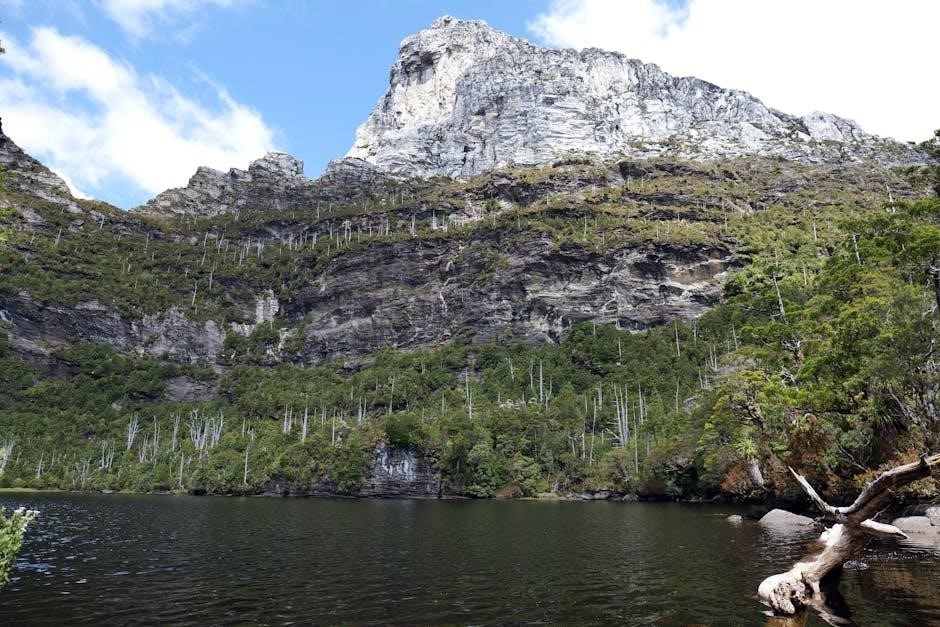
Reliable communication is paramount in wilderness emergencies․ Satellite messengers and personal locator beacons (PLBs) transmit your location even without cell service․ Two-way satellite communicators allow for detailed messaging, while whistles and mirrors offer low-tech signaling options․ Regularly check device batteries and understand their operational limitations before venturing into remote areas․
Leave No Trace Principles
Preserving the wilderness for future generations demands responsible behavior․ Minimize campfire impacts, pack out all trash, respect wildlife, and leave what you find․ Travel on durable surfaces, and properly dispose of human waste․ These principles ensure minimal environmental impact, fostering a sustainable relationship with the natural world and ethical exploration․
Minimizing Environmental Impact
Protecting fragile ecosystems requires conscious effort․ Stick to established trails, avoid disturbing vegetation, and properly store food to prevent wildlife encounters․ Pack out everything you pack in, and consider using biodegradable soaps․ Respecting the natural environment ensures its preservation, allowing future adventurers to experience its pristine beauty and delicate balance․
Responsible Wilderness Ethics
Embrace a ‘Leave No Trace’ mindset, prioritizing conservation and respect for the wilderness․ Avoid altering the environment, minimize campfire impacts, and be considerate of other visitors․ Practice responsible waste disposal, and refrain from approaching or feeding wildlife․ Ethical conduct ensures the long-term health and enjoyment of these invaluable natural spaces for generations to come․
Survival Mindset and Psychological Preparedness
Maintaining a positive attitude is paramount when facing wilderness challenges․ Cultivate mental fortitude to overcome fear and isolation, focusing on problem-solving and resourcefulness․ Acknowledge anxieties, but prioritize calm, rational thinking․ Psychological preparedness, alongside practical skills, dramatically increases your chances of successful navigation and enduring difficult circumstances․
Maintaining a Positive Attitude
A resilient mindset is crucial for wilderness survival․ Focus on achievable goals, celebrating small victories to boost morale․ Practice gratitude for resources and safety․ Avoid dwelling on negative thoughts or perceived failures․ Visualize success and maintain hope, even in challenging situations․ Positive self-talk and a determined spirit significantly enhance your ability to cope and persevere․
Dealing with Fear and Isolation
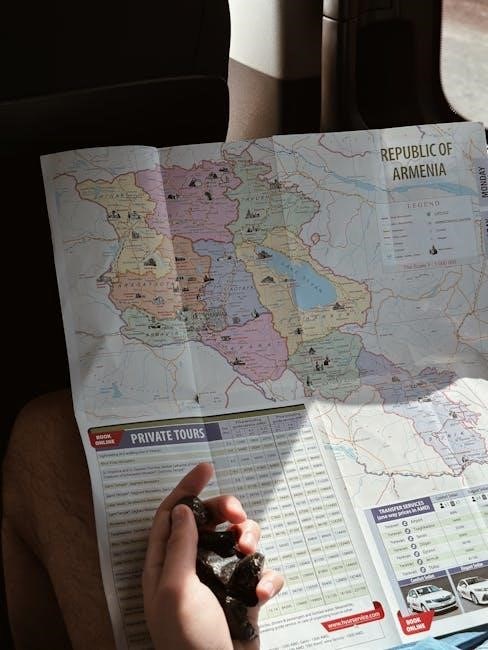
Fear and isolation are common in survival scenarios; acknowledge these feelings without letting them control you․ Employ mindfulness techniques like deep breathing to manage anxiety․ Focus on tasks to distract from loneliness․ Maintain a routine to create a sense of normalcy․ Remember your training and capabilities, reinforcing self-confidence․ Recognize that these feelings are temporary․
Advanced Survival Skills
Beyond the basics, mastering advanced techniques elevates preparedness․ This includes constructing robust, insulated shelters for prolonged stays, and refining fire-starting methods for diverse conditions – utilizing friction-based techniques․ Learn to create advanced trapping systems for sustainable food procurement․ Develop skills in crafting tools from natural materials, enhancing self-reliance in extended wilderness scenarios․
Building More Complex Shelters

Transitioning beyond lean-tos, focus on structures offering superior protection․ Consider a debris hut, providing excellent insulation against elements, or a wickiup, a dome-shaped shelter utilizing flexible branches․ Employ interwoven branch frameworks, layered with thick insulation – leaves, pine needles, and moss․ Prioritize weather resistance and camouflage, maximizing comfort and security during extended stays․
Advanced Fire Starting Techniques
Beyond the ferro rod, explore friction-based methods for true self-reliance․ Master the bow drill, hand drill, or fire plow – demanding practice but offering independence․ Focus on creating fine tinder from dry materials, and maintaining consistent pressure and speed․ Understand wood types; hardwoods yield lasting embers, while softwoods ignite quickly․
Resources for Further Learning
Expand your expertise through dedicated study and practical training․ Recommended books cover foraging, first aid, and shelter construction․ Online resources, like reputable survival websites, offer valuable insights․ Consider enrolling in wilderness survival courses led by certified instructors for hands-on experience․ Continuous learning is crucial for refining skills and boosting confidence․
Recommended Books and Websites
For in-depth knowledge, explore classic survival manuals and field guides․ Websites dedicated to bushcraft and wilderness living provide practical tips and techniques․ Seek out resources covering edible plants, first aid protocols, and navigation skills․ Verify information from multiple sources to ensure accuracy and reliability․ Prioritize reputable authors and organizations for trustworthy guidance․
Survival Training Courses
Immersive courses offer hands-on experience in essential wilderness skills․ Look for programs covering shelter construction, fire starting, water purification, and first aid․ Experienced instructors provide personalized guidance and feedback․ Consider courses tailored to specific environments or skill levels․ Prioritize reputable organizations with certified instructors․ Practical training builds confidence and competence in real-world scenarios, enhancing preparedness․